
Guide · Moving to Ajax
The Ultimate Guide to Moving to Ajax, Ontario
Ajax sits on the Lake Ontario waterfront just east of Toronto and Pickering, with a population of 126,666 at the last census and one of the faster growth rates in Durham Region. Here is what actually matters if you are thinking about moving here: neighbourhoods, housing, commuting, schools, money and the season-to-season reality of living in Ajax.
Key takeaways
- Is Ajax a good place to live? Yes, for most people relocating within the GTA: waterfront access, a range of housing and prices, GO Transit to Toronto, and generally lower costs than Toronto itself.
- Ajax has distinct pockets: Central West, Pickering Village, Riverside, South Ajax (Discovery Bay & Duffin's Bay), and Northeast Ajax, each with a different feel and price point.
- The Ajax GO train reaches Union Station in roughly 45–55 minutes on the Lakeshore East line.
- Schools run through the Durham District School Board and Durham Catholic District School Board.
- Ajax is mid-growth: the town is actively planning housing intensification, especially around the GO Station, and now offers an online tool for homeowners to check additional dwelling unit (ADU) eligibility.
- Winters bring lake-effect snow squalls off Lake Ontario; summers bring a genuinely busy waterfront.
Is Ajax, Ontario a good place to live?
For most people moving within the GTA, yes. Ajax offers a Lake Ontario waterfront, a genuinely wide range of housing types and price points, a GO Transit line into Toronto, good schools, and a mix of established mid-century streets and newer subdivisions. It tends to suit commuters, growing families and downsizers particularly well. The trade-off is honest: the commute is longer than living downtown, and while the restaurant and retail scene has grown substantially, it is still not downtown-Toronto dense. If lakefront access, more house for your money and a quieter pace matter more to you than walkable nightlife, Ajax is worth serious consideration.
Ajax at a glance
- Location: On the north shore of Lake Ontario, in the Regional Municipality of Durham, directly east of Pickering and about 40 km east of downtown Toronto.
- Population: 126,666 at the 2021 Census, one of the faster-growing municipalities in Durham Region.
- Highways: Highway 401 runs along the south of the town; Highway 407 is accessible to the north, connecting to the wider 400-series network.
- Transit: Ajax GO Station on the Lakeshore East line, plus Durham Region Transit local buses.
- Local government: The Town of Ajax, within the Regional Municipality of Durham, which handles regional services like water, policing and some roads.
Ajax neighbourhoods: where people actually choose to live
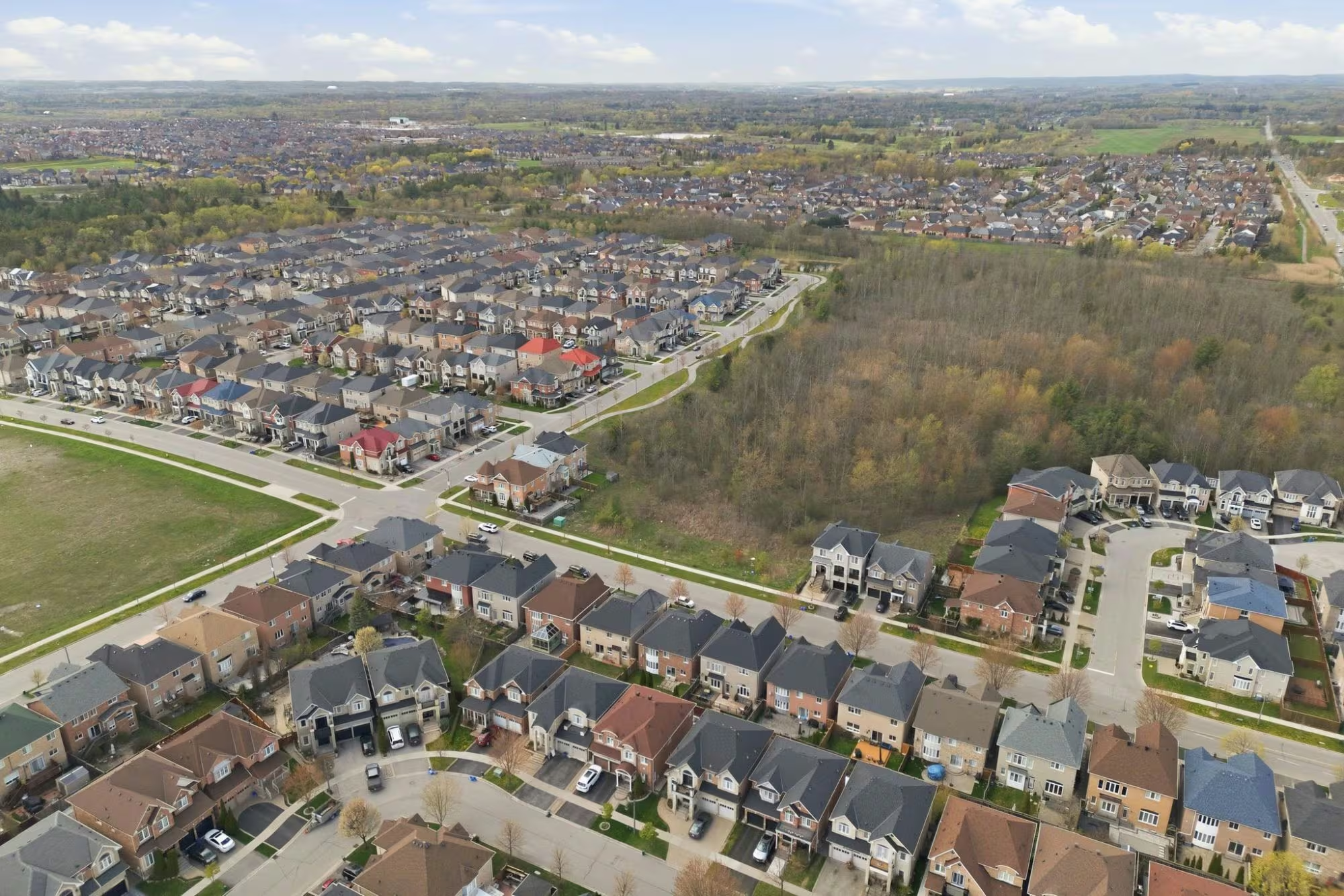
Ajax is not one uniform market. Central West, Pickering Village, Riverside, South Ajax (including Discovery Bay and Duffin's Bay) and Northeast Ajax each have their own housing stock, price range and day-to-day feel, from the older, walkable streets around Pickering Village to newer family-sized subdivisions in the northeast. Rather than repeat that detail here, see the full breakdown on Laura's Ajax neighbourhood guide, or jump straight to South Ajax or Pickering Village if you already have a pocket in mind.
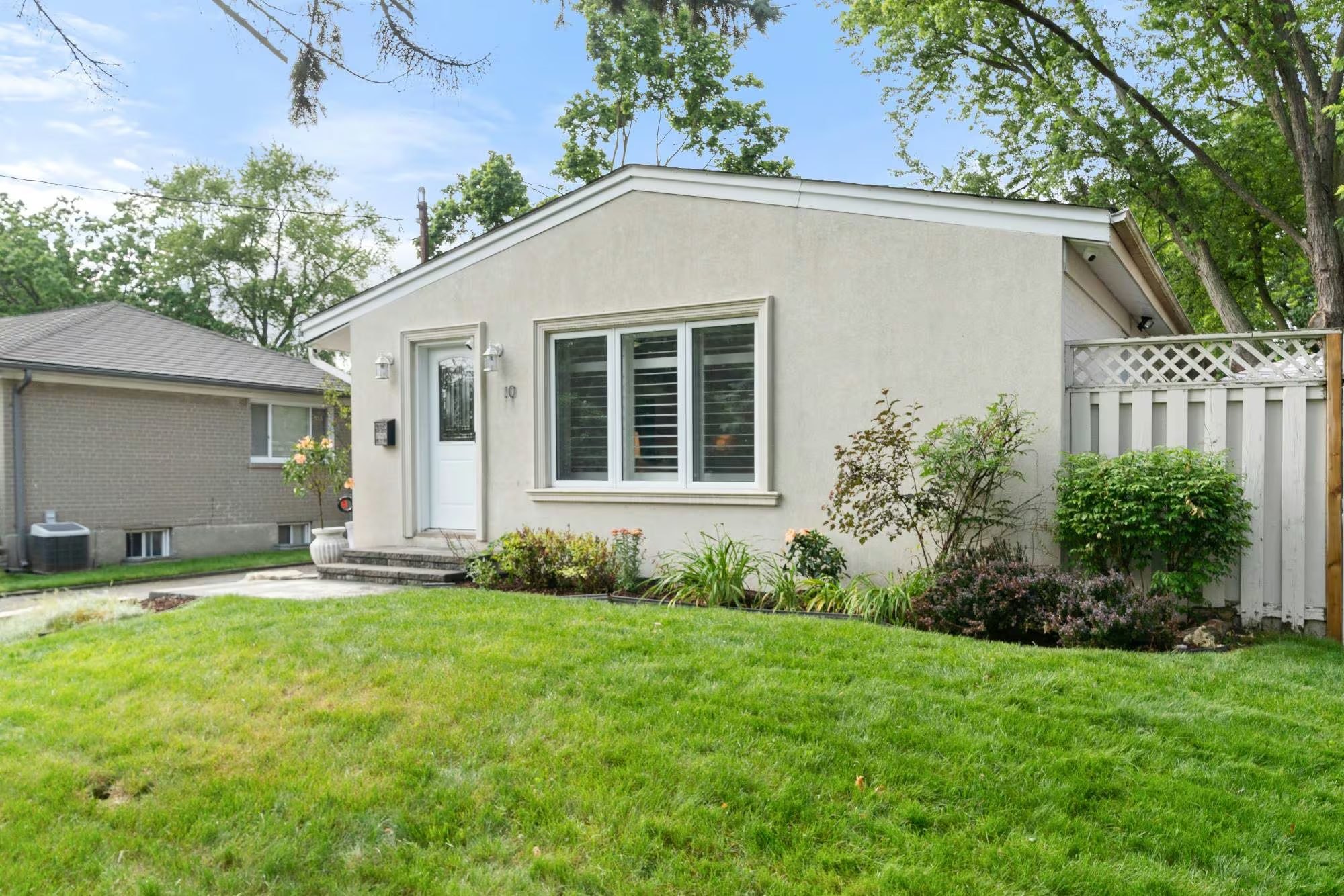
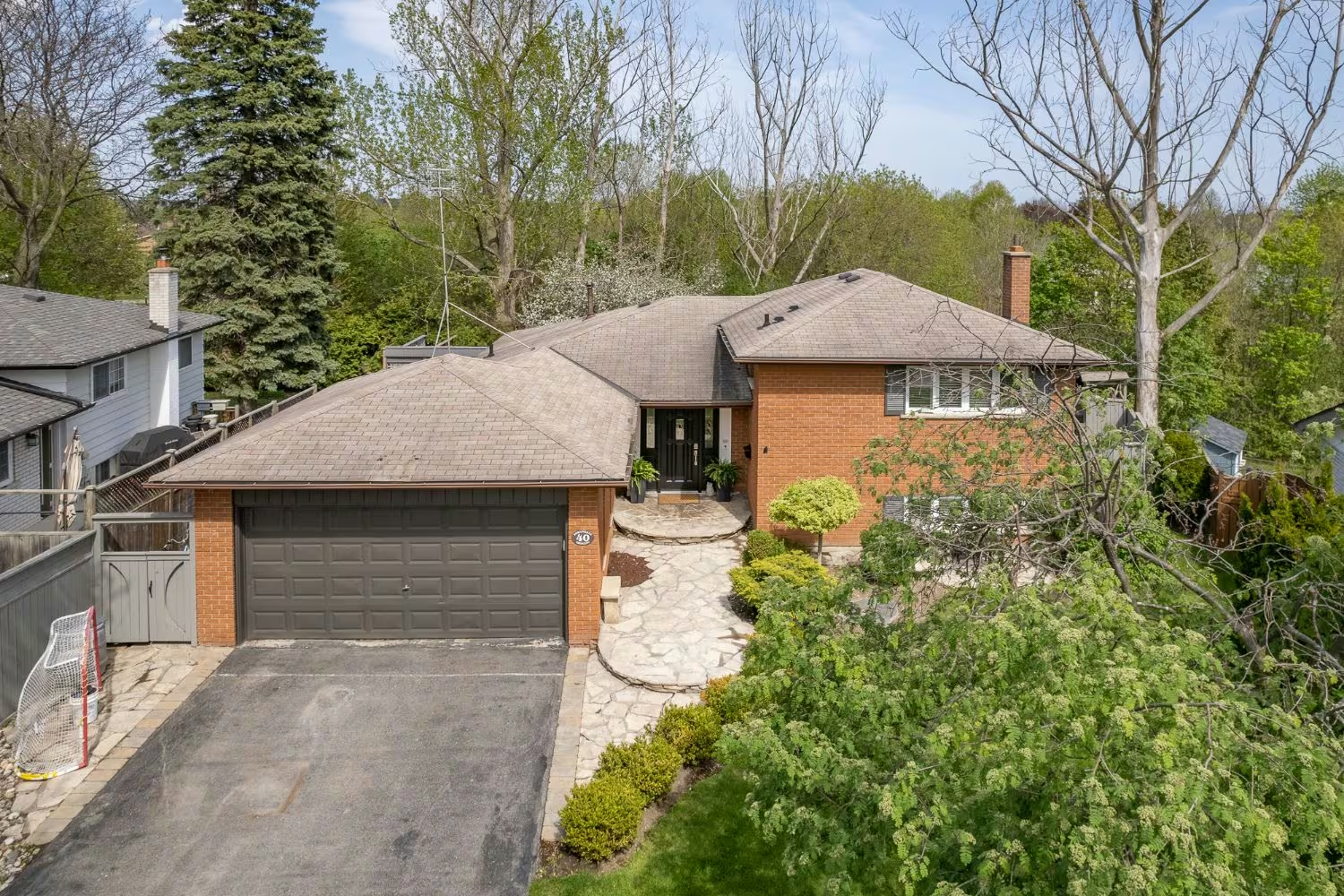
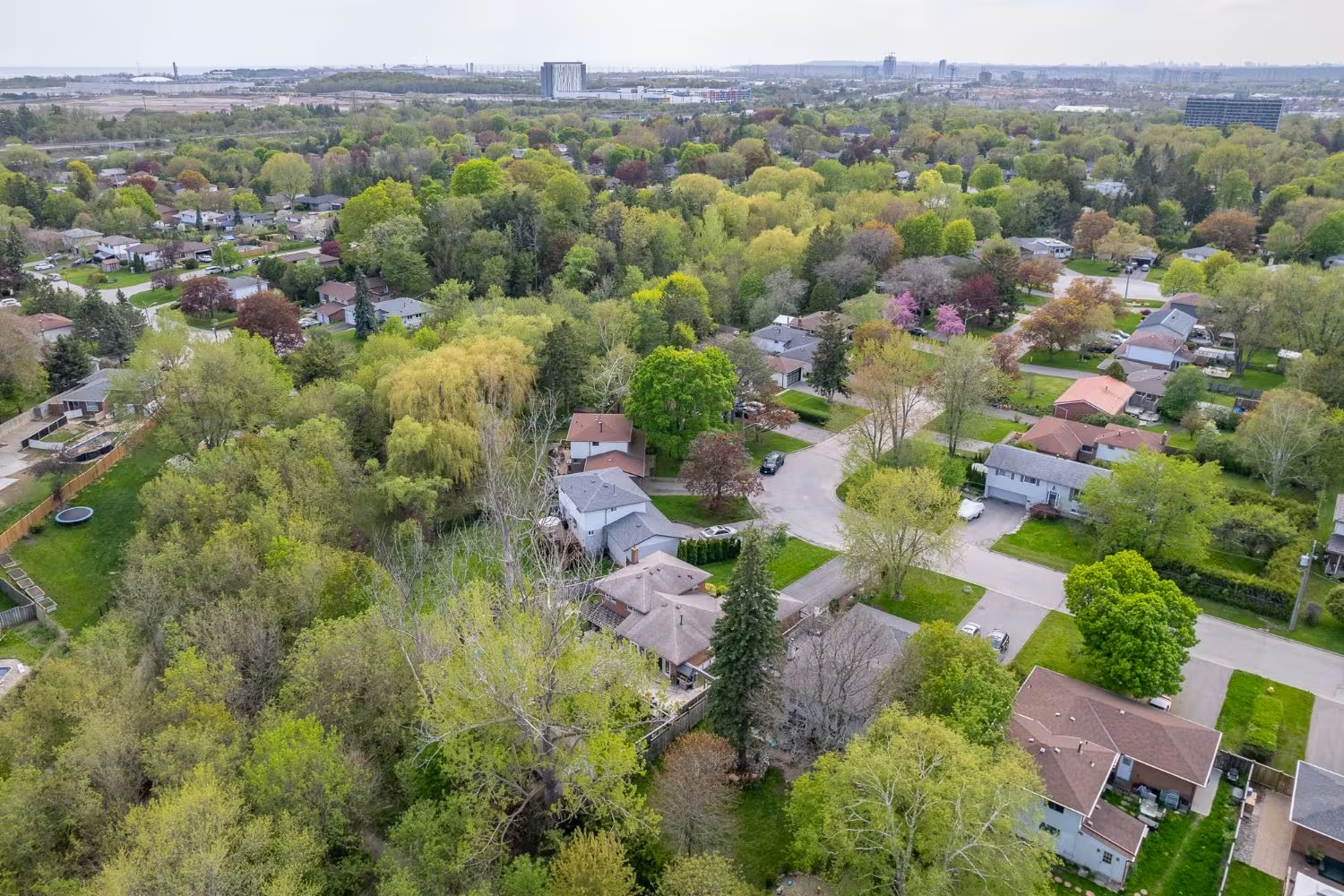
Old Pickering Village has more history behind it than its quiet streets let on. The Trans Canada Trail runs right through the village, and the area's roots go back to the Underground Railroad and, according to local lore, a connection to Al Capone. It's the kind of layered, small-town history most people looking at Ajax from the outside would never guess is there.
What kind of homes are in Ajax?
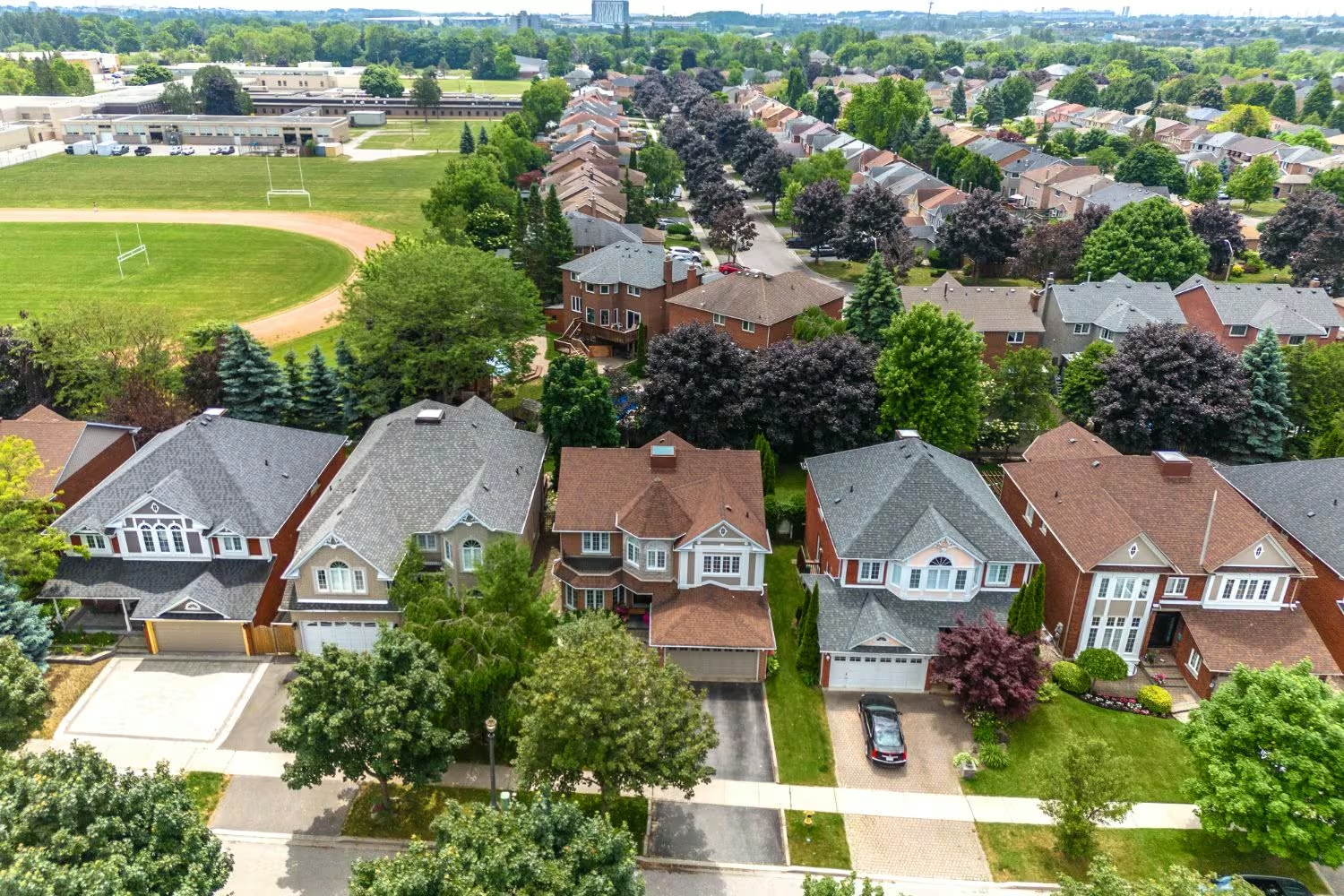
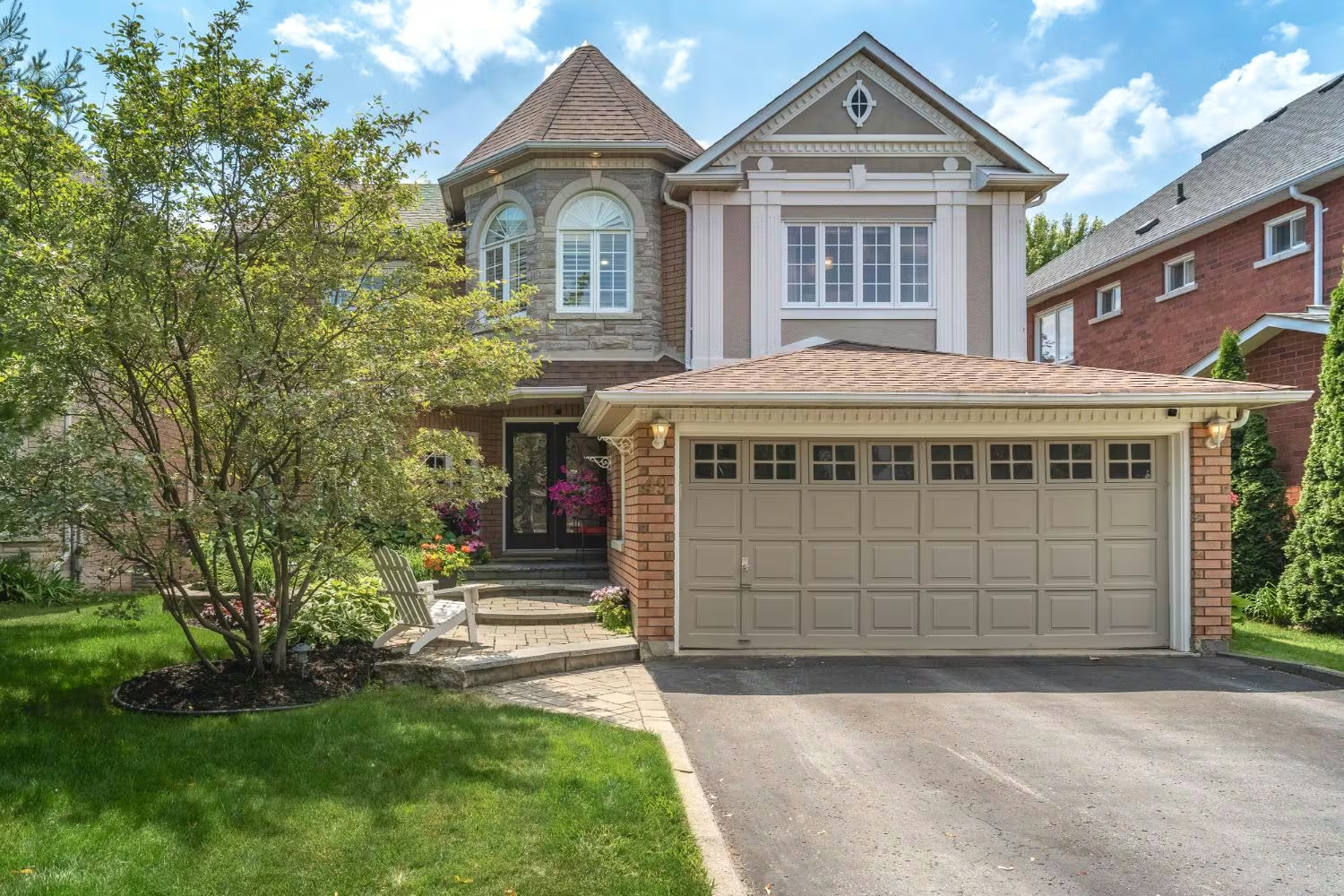
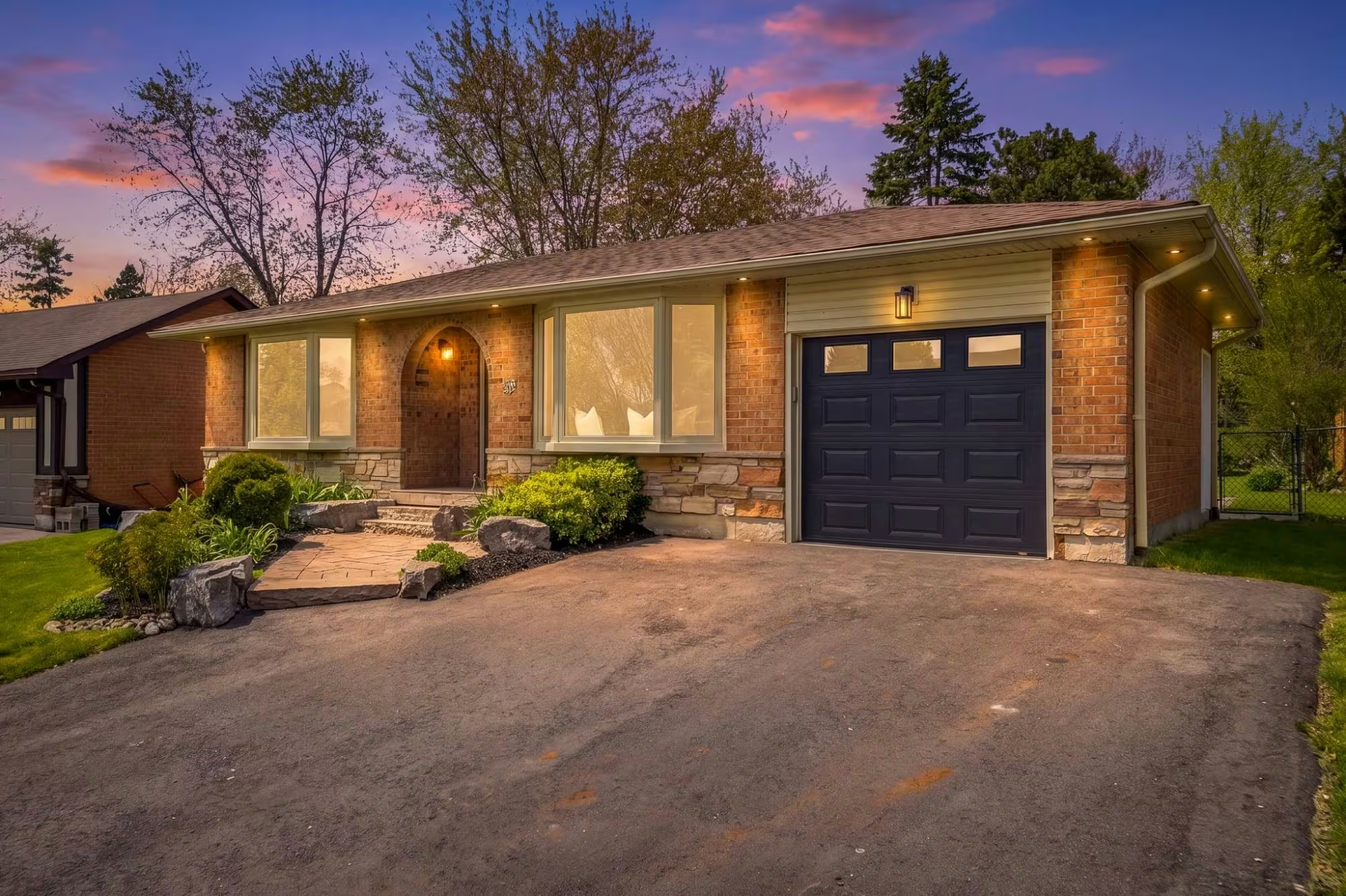
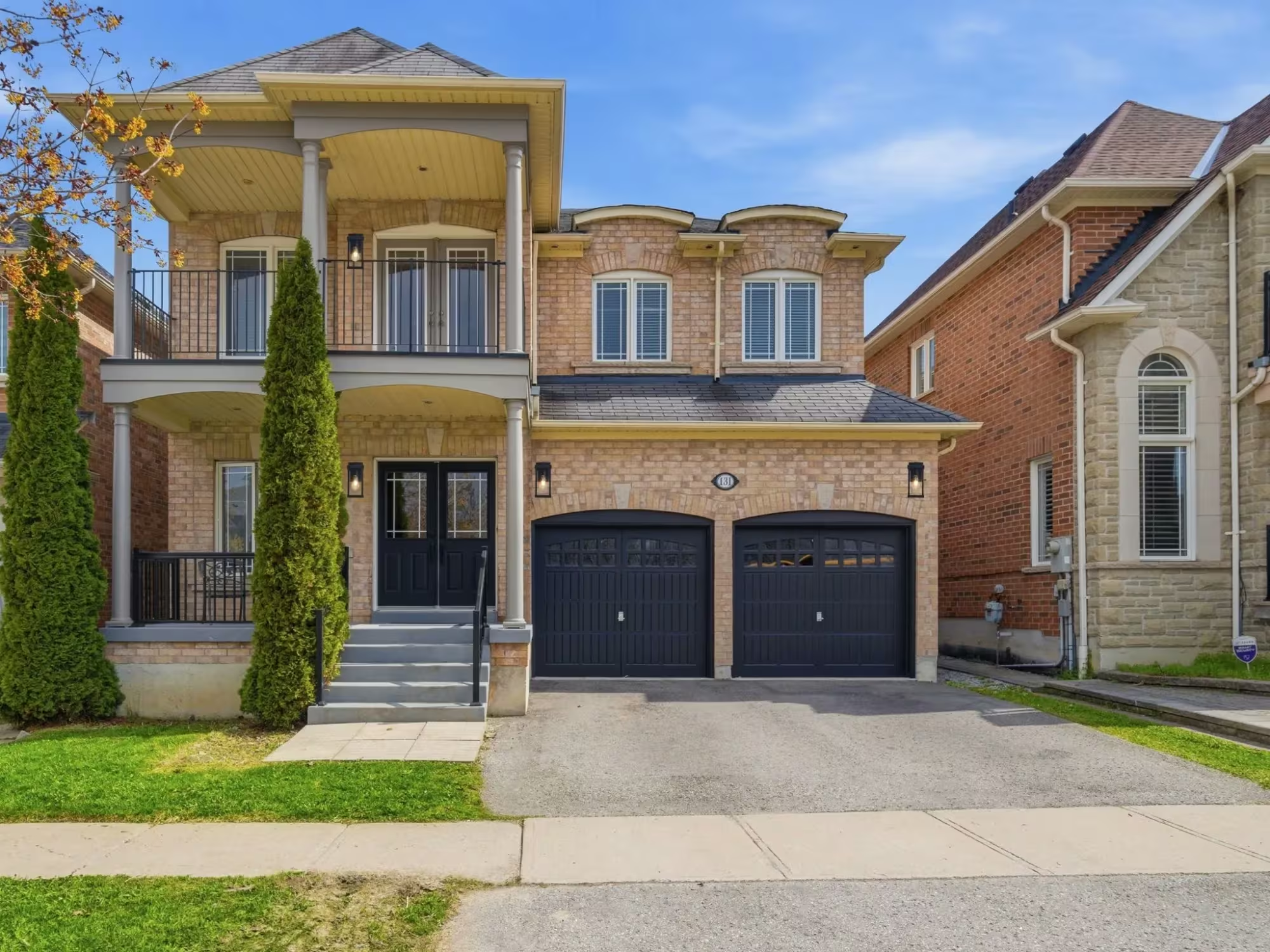
Ajax's housing stock spans several eras and styles: mid-century bungalows and two-storeys from the 1960s through 1980s in the older, established neighbourhoods; a wide band of 1990s and 2000s subdivisions with larger detached and semi-detached homes, mostly in the north and east; and newer infill, condo townhomes and low-rise condo buildings, concentrated closer to the GO Station and along the waterfront. Detached homes remain the dominant housing type, though condo townhomes and apartment-style condos have grown as the town intensifies. If you are coming from Toronto or another major city, the most common surprise is simply how much more house, and often lot, the same budget buys here.
Commuting from Ajax: GO Transit and driving
Ajax GO Station sits on the Lakeshore East line, with trains to Toronto Union Station roughly every 30 minutes at peak times, and the trip itself taking about 45 to 55 minutes depending on the run and number of stops. Durham Region Transit buses connect the rest of the town to the GO Station and to neighbouring Whitby and Pickering. By car, Highway 401 runs along the south end of Ajax, putting downtown Toronto at roughly 40 to 60 minutes outside of rush hour, longer during it; Highway 407 to the north offers an alternative, tolled route for cross-region trips that avoid the 401 entirely.
Schools and school boards in Ajax
Ajax is served by the Durham District School Board (English public) and the Durham Catholic District School Board (English Catholic), with French-language options available through Conseil scolaire Viamonde (public) and MonAvenir (Catholic) for families who qualify. As with any town, individual school boundaries and program availability (French immersion, gifted, specialized programs) vary block by block, so it's worth checking the specific catchment for any address you're considering rather than relying on the neighbourhood's general reputation alone.
Recreation, parks and the waterfront
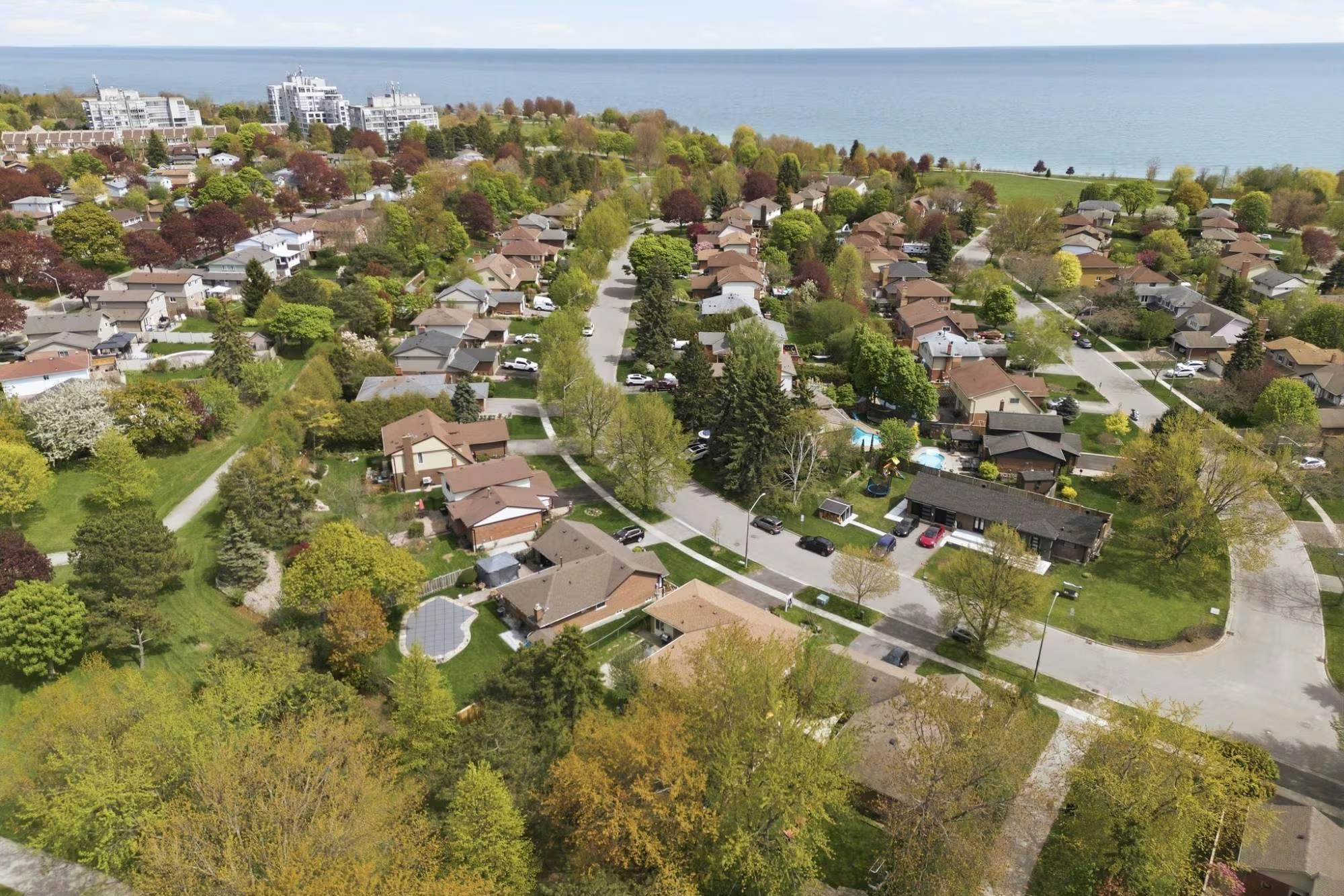
Ajax's defining recreational feature is its Lake Ontario waterfront: the Ajax Waterfront Trail runs the length of the town along the lake, connecting parks, marinas, beaches and lookout points, and links into the wider Great Lakes Waterfront Trail that continues through Pickering, Whitby and beyond. Inland, the town maintains an extensive network of parks, sports fields, splash pads and community centres, plus indoor recreation facilities for skating, swimming and fitness. For families, proximity to a park, the waterfront trail or a community centre is a genuinely common priority when choosing a street, not just a neighbourhood.
The real secret that almost no outsider knows: in South Ajax, a whole network of trails and pathways runs behind the houses, block after block. It was built in the 1960s specifically so no school child would ever have to cross a street to get to school or a park. Most people looking at Ajax from the outside have no idea it exists, but it connects the neighbourhood like an inspirational web, and once you've lived with it, it's hard to imagine a subdivision without one.
Shopping and everyday amenities
Ajax has grown well beyond a bedroom community for day-to-day needs: full grocery options, big-box retail concentrated around the Salem Road and Harwood Avenue corridors, and a growing independent restaurant and cafe scene, particularly around Pickering Village and Audley Village. For larger shopping trips, Pickering Town Centre is minutes away, and Oshawa and Whitby add further options close by. It is not downtown-Toronto dense, but for weekly life, most residents don't need to leave Ajax and its immediate neighbours.
Property taxes and utilities
Like every Ontario municipality, Ajax property tax is calculated from your home's MPAC-assessed value multiplied by the combined municipal, regional and education tax rate, set annually by the Town of Ajax and the Region of Durham. Rates and your specific assessment will change year to year, so for an accurate number on a specific property, use the Town of Ajax's current tax calculator or ask Laura to pull the actual tax history on a home you're considering. Utilities are a mix of Elexicon Energy for electricity, Enbridge Gas for natural gas, and Regional water and sewer billed through the Region of Durham.
Healthcare in Ajax
Ajax's primary hospital is the Ajax Pickering Hospital, part of Lakeridge Health, offering emergency and general acute care; more specialized care is available at Lakeridge Health's Oshawa campus and through the wider Toronto hospital network, about 40 minutes to an hour away depending on traffic and destination. As in most of the GTA, finding a family doctor accepting new patients can take time and patience; Health Care Connect (Ontario's provincial referral service) is the usual starting point.
Driving and getting around Ajax
Ajax is a driving town for most day-to-day trips, laid out around a fairly standard grid of major arterials (Bayly Street, Harwood Avenue, Salem Road, Westney Road, Church Street, Kingston Road) connecting into Highway 401. Winter driving deserves its own mention: proximity to Lake Ontario means Ajax and its neighbours can see localized lake-effect snow squalls that dump snow quickly in narrow bands, sometimes while a town 20 minutes inland sees nothing at all. Anyone moving from a milder climate should plan for winter tires and a genuine adjustment period.
Seasonal considerations
Summer in Ajax centers on the waterfront: beaches, the trail, marinas and a full calendar of outdoor events. Fall and spring are generally mild and are prime house-hunting and moving seasons in the local market. Winter is the real adjustment for anyone new to the region: lake-effect snow squalls, shorter days, and a market that typically slows down from December through February before picking back up. None of this is unique to Ajax within the GTA, but it is worth knowing before you commit to a specific move-in date.
Ajax is changing: growth and intensification
Ajax is not a static town. Like much of Durham Region, it is actively planning for substantial housing growth and intensification, particularly around the GO Station area and other designated growth centres, as part of a province-wide push to add housing supply. One concrete example: the Town now offers an online ADU Property Mapping Tool, built with support from the federal Housing Accelerator Fund, that lets any Ajax homeowner enter their address and see what type of additional dwelling unit (a basement apartment, garden suite or similar) their property could support. Whether you're buying to live in now or with an eye on future flexibility, that kind of tool is genuinely useful context that didn't exist in Ajax a few years ago.
What Laura wishes people knew before moving to Ajax
After 21 years selling in this town, a few things come up again and again with people relocating here for the first time:
- The difference between neighbourhoods a five-minute drive apart can be bigger than people expect, both in price and in feel. Don't judge all of Ajax by one street you saw online.
- Being close to the GO Station is worth a real premium if you'll actually use it daily; it's worth far less if you're fully remote or drive to a job outside Toronto.
- Lake-effect snow squalls are a genuine, specific Ajax-area weather pattern, not just "Ontario winter." Ask about it if you're moving from somewhere without lake-effect snow.
- The waterfront trail changes how much a home's proximity to the lake actually matters day to day, even for homes that aren't waterfront themselves. See the South Ajax trail network, above, for the detail most outsiders never hear about.
Related reading
If you already know you're moving from Toronto specifically, or from outside the province, or you're the one selling in Ajax to relocate elsewhere, those situations each have their own considerations. See the Relocation Guide for selling and moving out of province, or get in touch and Laura can point you to the right resource for your exact situation.
Moving to Ajax: common questions
Is Ajax, Ontario a good place to live?
For most people relocating from within the GTA, yes. Ajax offers a Lake Ontario waterfront, a wide range of housing types and prices, GO Transit access to Toronto, good schools, and a mix of established and newer neighbourhoods, generally at a lower price point than Toronto and many neighbouring 905 communities. It suits commuters, families and downsizers particularly well; the trade-off is a longer commute than living downtown and a still-developing (though growing) restaurant and retail scene compared to a big city.
How long is the GO Train commute from Ajax to Toronto?
The Lakeshore East GO train from Ajax GO to Union Station takes roughly 45 to 55 minutes depending on the run, with trains roughly every 30 minutes at peak times. Driving the same trip on Highway 401 typically takes 40 to 60 minutes outside rush hour and considerably longer during it.
What school boards serve Ajax, Ontario?
Ajax is served by the Durham District School Board (English public) and the Durham Catholic District School Board (English Catholic), plus French-language options through Conseil scolaire Viamonde (public) and MonAvenir (Catholic) for families who qualify.
What is the population of Ajax, Ontario?
Ajax's population was 126,666 at the 2021 Census, one of the fastest-growing municipalities in Durham Region, with continued growth and intensification planned, particularly around the Ajax GO Station area.
Is Ajax part of Toronto?
No. Ajax is its own town, part of the Regional Municipality of Durham, directly east of Toronto and Pickering along Lake Ontario. It is not part of the City of Toronto or the GTA's amalgamated core, though it is commonly grouped with the wider Greater Toronto Area for commuting and housing-market purposes.
Thinking about the move?
Get local answers before you decide
No obligation. Laura will walk through neighbourhoods, current pricing and timing for your specific situation. Laura McBride, REALTOR®, Revel Realty Inc., Brokerage, serving Ajax, Pickering, Whitby and Durham Region.
This guide is general information, not legal, financial or tax advice, and is not intended to solicit clients already under contract with a brokerage. Population, transit and program details are current as of publication and change over time; confirm current details with the relevant authority.